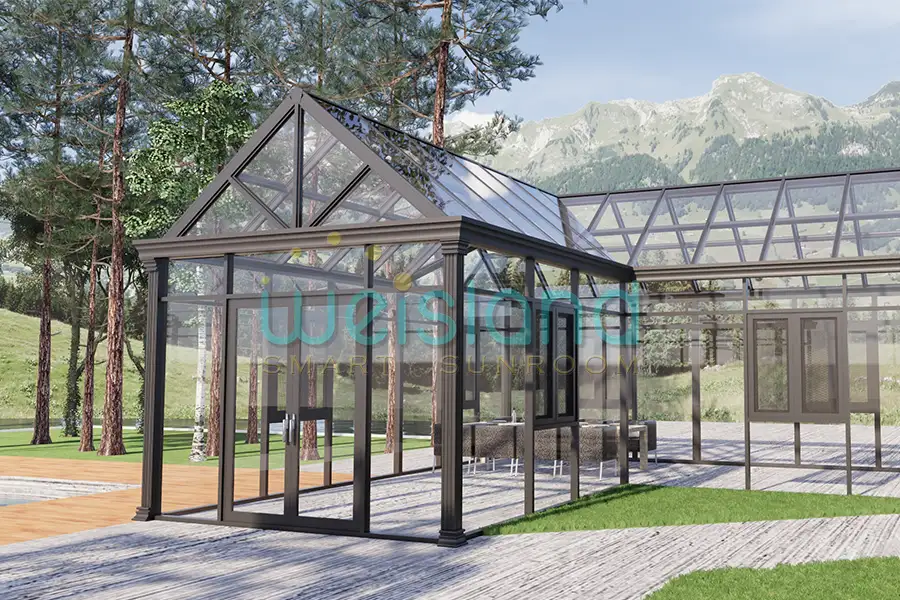
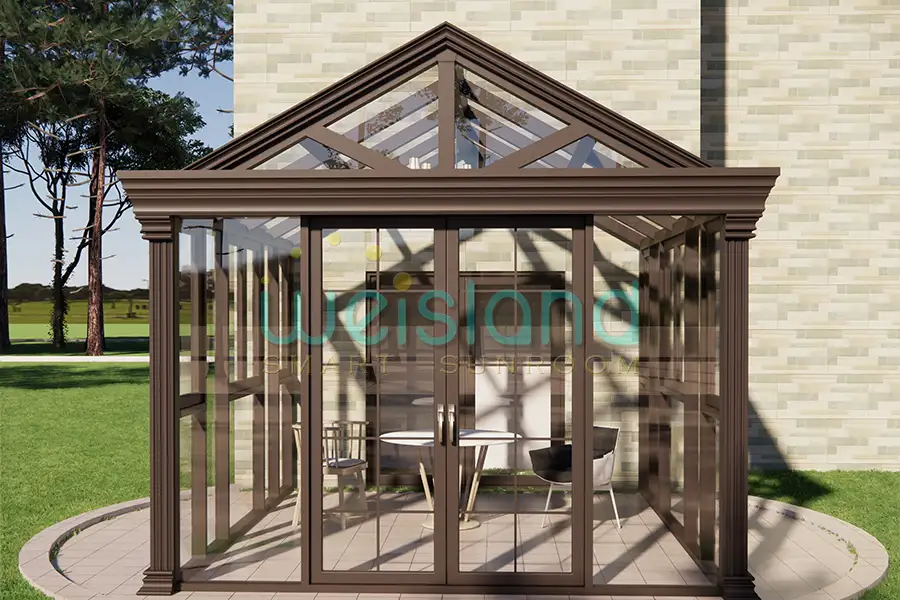
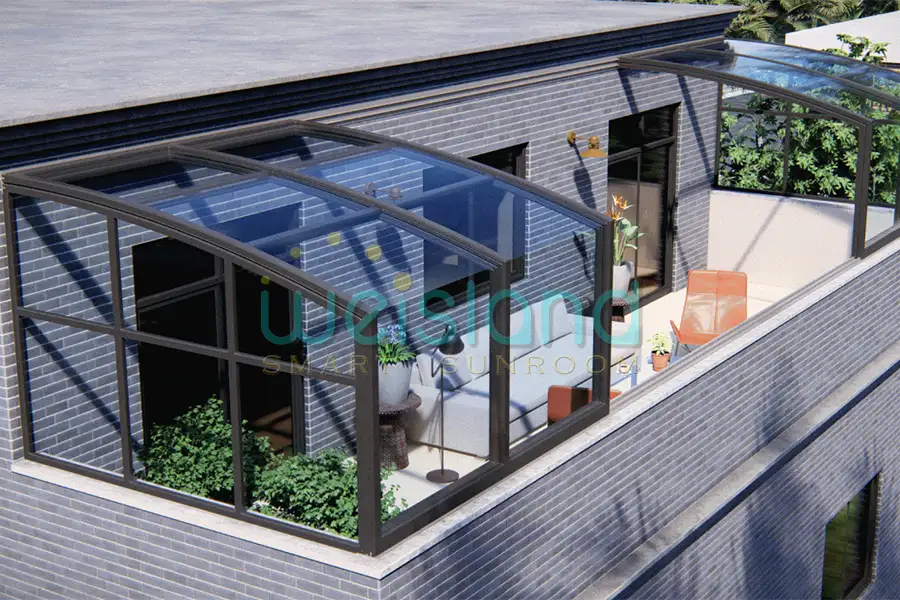
A residential pool enclosure changes how a backyard pool is used across the year, but the right system starts with the pool itself. Start with the dimensions, the deck area around the pool, and how often you plan to open and close the enclosure.
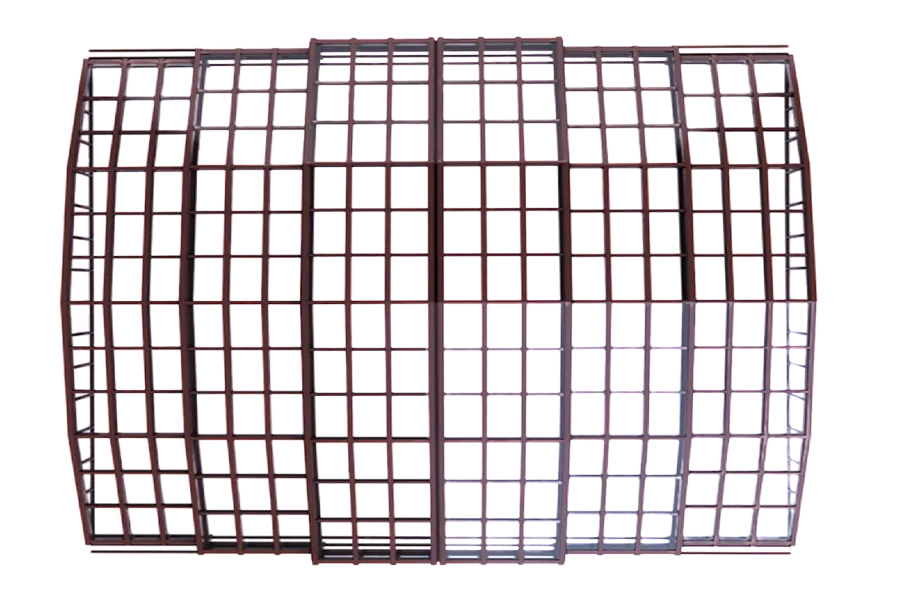
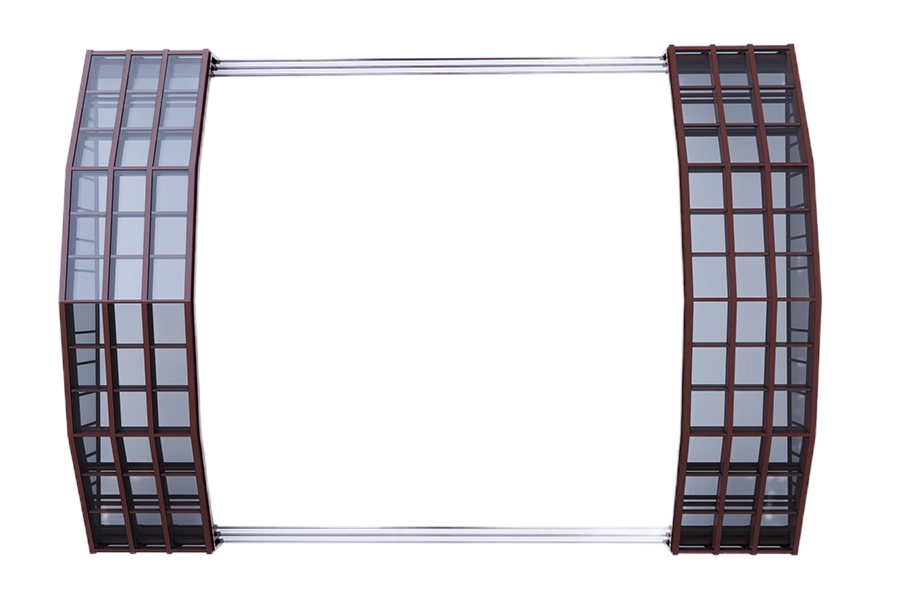
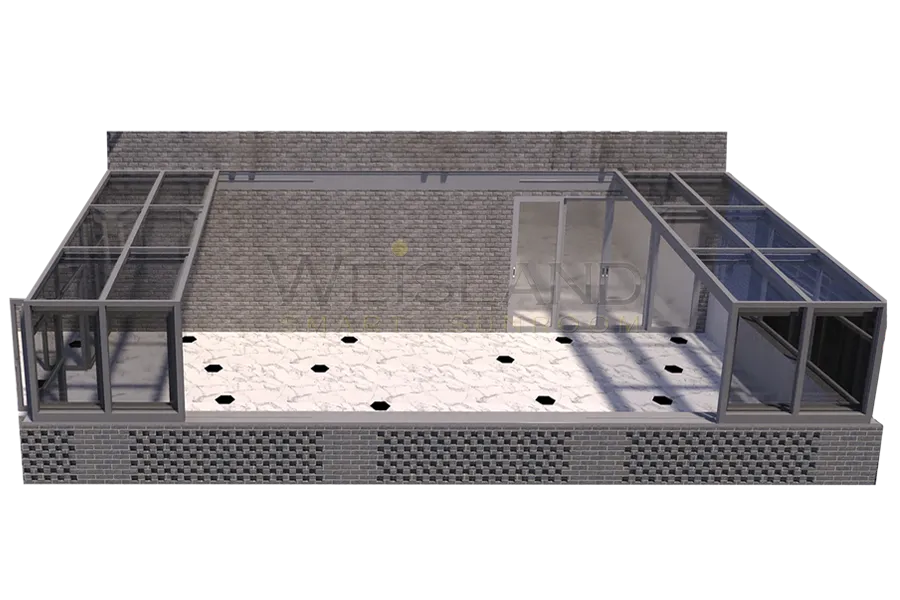
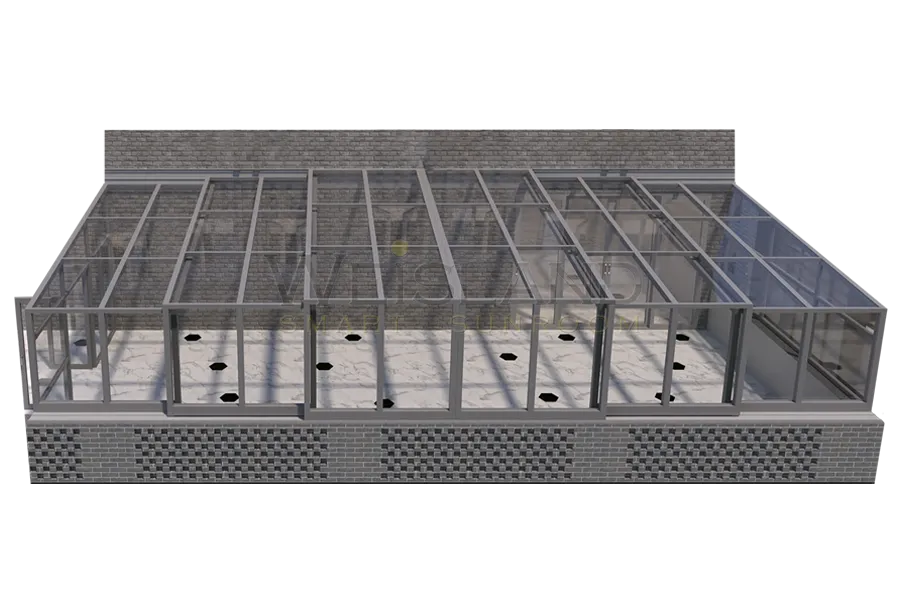
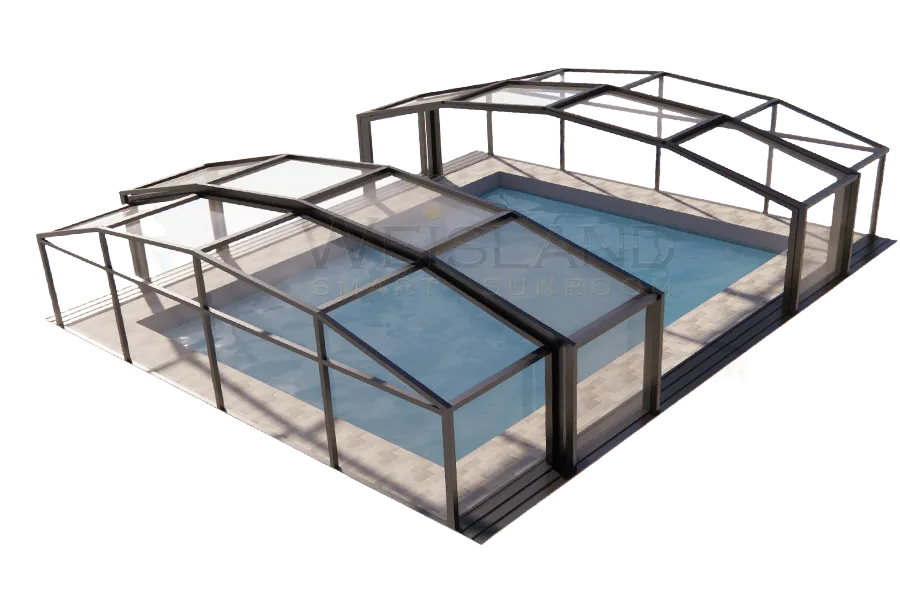
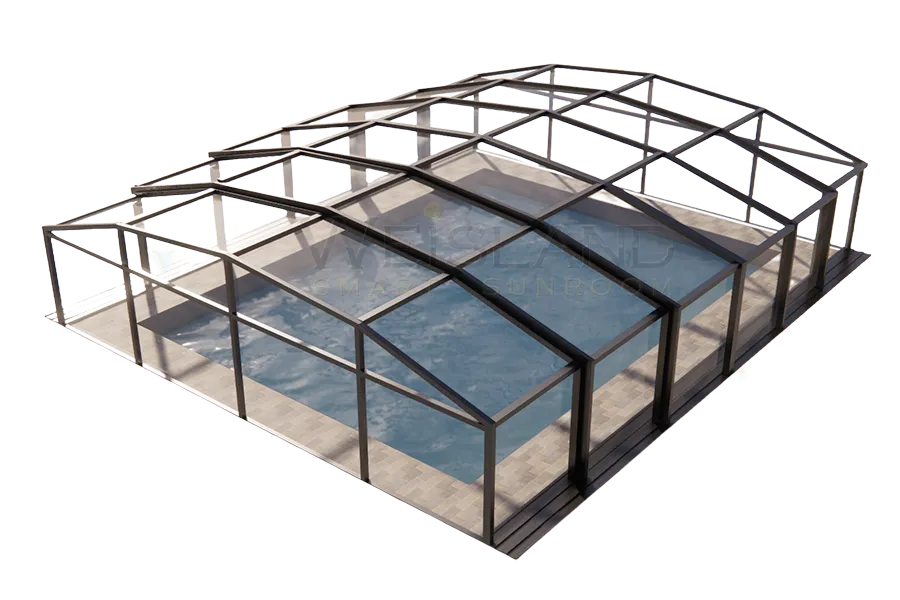
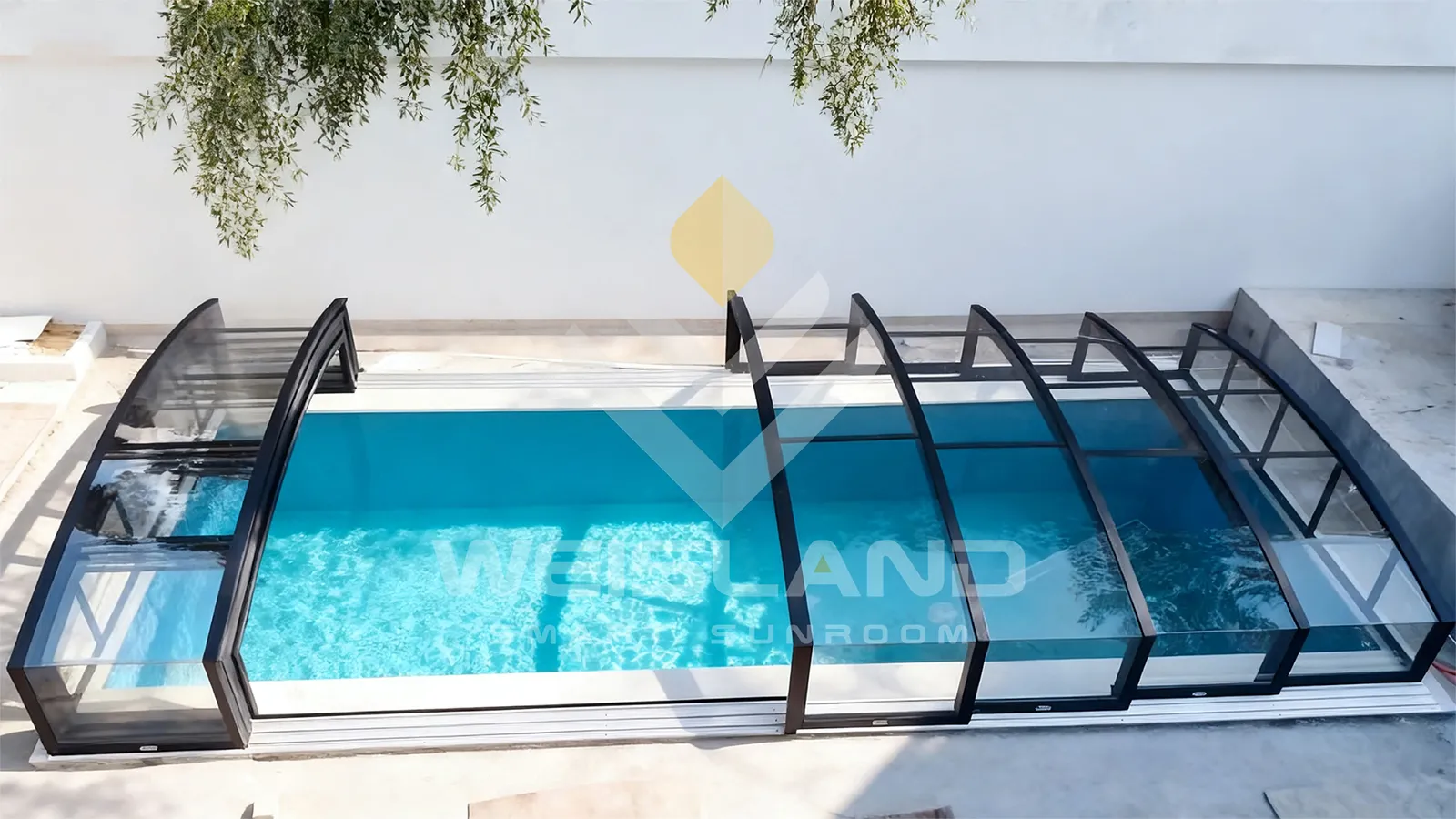
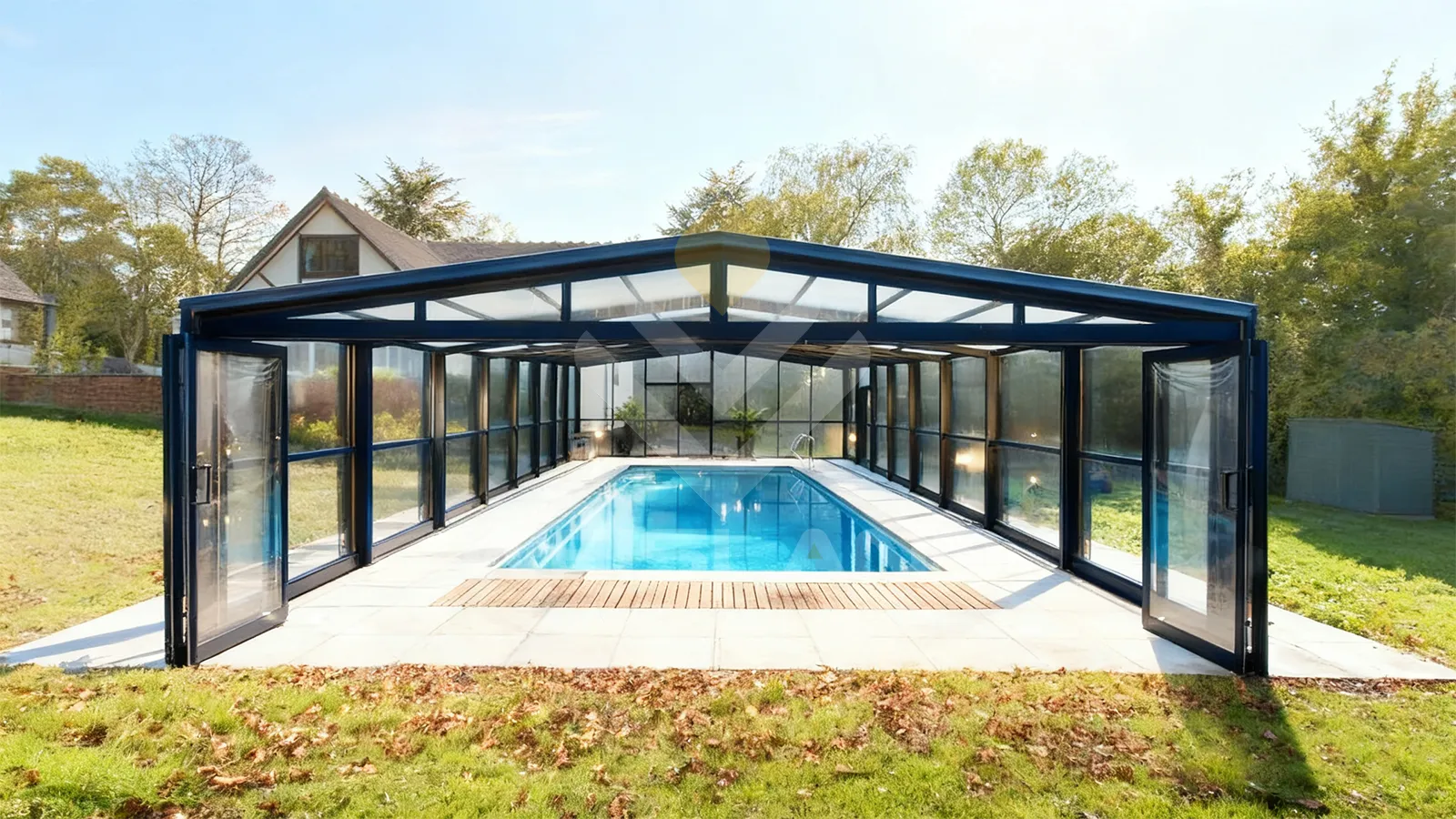
The first decision is whether the enclosure should move. A retractable system can open for full sun, fresh air, and a more open backyard. A fixed system keeps the pool enclosed continuously and may be a better fit when the enclosure stays in one position most of the time. Both options require project-specific engineering and a confirmed quote.
Next, compare panel and frame options. Glass and polycarbonate change the look, weight, light transmission, and structural demand of the project. The best choice depends on the local climate, the span, and how the pool will be used. Confirm the final configuration with the supplier before ordering.
Drive and controls matter for daily use. A pool enclosure that opens often may benefit from an electric drive and reliable controls. Confirm the operating method, backup options, and service procedure in the quote.
The quote should state the span, configuration, frame and panel specification, drive and controls, doors and windows, hardware, packaging, shipping terms, installation scope, and current warranty terms. Confirm what is excluded, including foundation, installation, and destination duties.
Local requirements can affect the project. Check the rules that apply at the installation location, and ask the supplier to confirm the design basis for your span and site. Professional installation is strongly recommended.
Send your pool dimensions, site photos, location, and intended use to get a project-specific residential pool enclosure recommendation and quote.